
Preparation and the “Safe Room”
The biggest mistake owners make is the “sink or swim” method—simply placing the kitten on the floor and hoping the cats “work it out.” This often leads to psychological trauma for the kitten and a permanent state of hyper-vigilance for the resident cat.
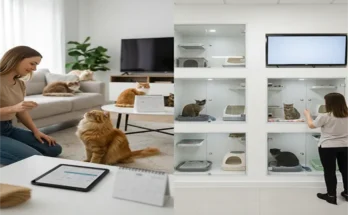
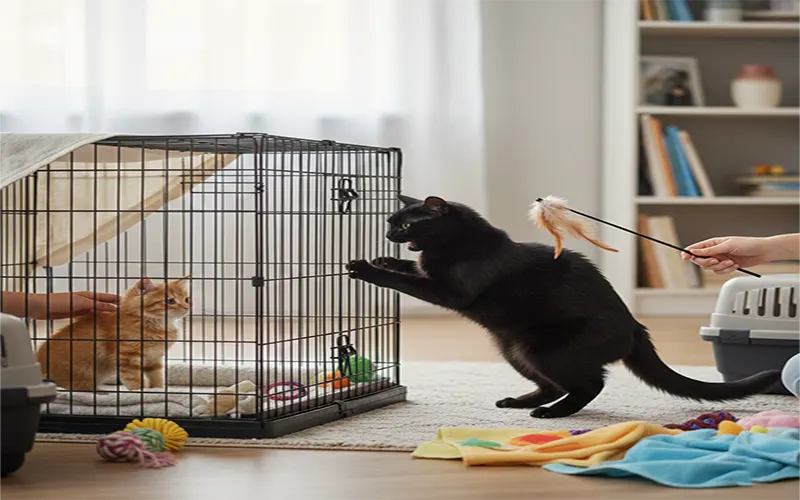
The process begins with total physical separation. You must prepare a “Safe Room” for the kitten (usually a guest bedroom or bathroom) equipped with its own litter box, food, and water. This room acts as a buffer zone.
The first week is about the Scent Swap. In the feline world, identity is olfactory. Before they ever see each other, they must become “scent-friends.”
- The Sock Technique: Rub a clean sock on the kitten’s cheeks (where their pheromone glands are) and place it near the resident cat’s food bowl.
- The Bedding Trade: Swap their blankets. If the resident cat eats comfortably next to the kitten’s scent, they are beginning to associate that new smell with a “positive” (food).
Visual Introduction via Barriers
Once the resident cat is no longer hissing at the kitten’s scent under the door, you move to visual access. This is where we use Positive Association.
Using a tall baby gate or a temporary screen door is essential. The goal is to allow the cats to see each other without the risk of a physical altercation. During this phase, feed both cats their meals at the same time on opposite sides of the barrier.
Initially, the resident cat may growl or refuse to eat. If this happens, move the bowls further away from the door until they feel safe enough to eat. Gradually, over several days, move the bowls closer. You are rewiring the resident cat’s brain to think: “When I see that small intruder, I get my favorite salmon pâté.”
Understanding Feline Body Language
To manage this introduction, you must become a student of feline “tells.” Misreading a cat’s intentions is usually when injuries occur.
The Red Flags (Stop or Retreat)
- Dilated Pupils: Fixed, “black” eyes indicate a state of high arousal or fight-or-flight.
- Piloerection: A “puffed” tail or hair standing up along the spine is a defensive posture meant to make the cat look larger.
- The “L” Ear: Flattened ears pinned against the skull protect the ears during a fight and signify extreme aggression.
- Low-Pitched Growling/Hissing: These are clear vocal warnings that a physical strike is imminent.
The Green Flags (Proceed Cautiously)
- Slow Blinking: This is the “cat kiss.” It shows the cat is relaxed enough to close its eyes in the other’s presence.
- Vertical Tail: A tail held straight up (sometimes with a little hook at the end) is a friendly greeting.
- Soft Eyes: Almond-shaped pupils and a relaxed brow.
- Trilling: Short, chirping sounds often indicate curiosity rather than malice.
The First Face-to-Face
When both cats can eat calmly at the screen door, you are ready for a supervised meeting. This should occur in a “neutral” area of the house, not the resident cat’s favorite sleeping spot.
The key to a successful first meeting is Distraction Play. Use two different wand toys—one for each cat. You want to keep their focus on the “prey” (the toy) rather than on each other. This teaches them that they can exist in the same space without needing to guard themselves.
Keep these sessions short. Five to ten minutes is plenty. End the session while things are still going well. If you wait until they start hissing to separate them, you’ve waited too long.
Introduction Timeline Table
Every cat is different, but this 4-week framework is the safest path for an aggressive resident.
| Phase | Goal | Key Action |
| Week 1: Olfactory | Scent Recognition | Total separation; swap bedding and use the “sock technique.” |
| Week 2: Visual | Sight Association | Feed meals on opposite sides of a baby gate/screen. |
| Week 3: Supervised | Controlled Interaction | 5-minute sessions using wand toys for distraction. |
| Week 4: Integration | Coexistence | Gradually increase unsupervised time; maintain separate resources. |
Troubleshooting Aggression
If a fight breaks out, NEVER use your bare hands to intervene. Feline bites are prone to infection, and a cat in a state of “redirected aggression” will bite anything that touches it, including you.
Instead:
- Create a Distraction: Clap loudly or drop a heavy book on the floor.
- Physical Barrier: Slide a piece of cardboard or a couch cushion between them to break the line of sight.
- The “Reset”: Once separated, put the kitten back in the Safe Room. You may need to move back one phase in the timeline for a few days.
If the resident cat remains persistently aggressive, consider using synthetic pheromone diffusers (like Feliway Friends), which mimic the “calming” pheromones mother cats produce. In extreme cases, consult your veterinarian about a short course of anti-anxiety medication (like Fluoxetine or Gabapentin) to lower the resident cat’s “reactivity threshold” during the training period.
Introducing a kitten to an aggressive cat is a marathon, not a sprint. Your goal isn’t necessarily to make them best friends who groom each other by the fireplace—though that often happens eventually. The true win is peaceful coexistence.
By controlling the environment, respect the resident cat’s territorial needs, and moving at the pace of the most “fearful” animal, you can turn a house of tension into a home of harmony. Patience is your greatest tool.