
Cost of in-home cat sitting vs. professional cat boarding in 2026

Cost of in-home cat sitting vs. professional cat boarding in 2026

The Pet Care Economy in 2026

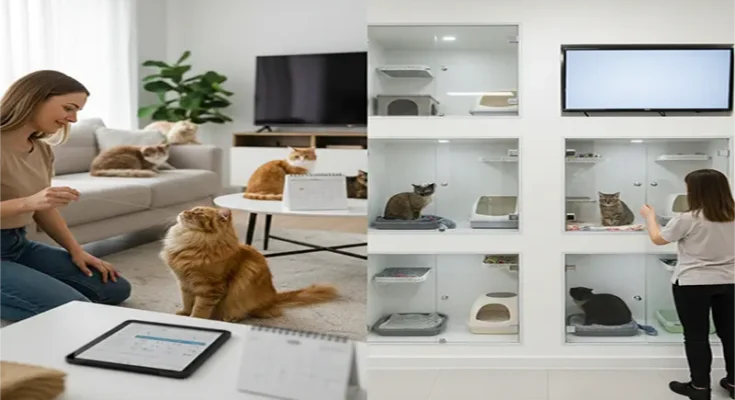
The “humanization of pets” trend that began a decade ago has reached its peak in 2026. Cat owners are now more willing than ever to invest in high-quality care, but inflation has pushed baseline prices upward. While app-based “gig” platforms still exist, they have largely shifted toward specialized, vetted services to compete with boutique local businesses. These local firms offer higher levels of insurance, staff training in feline behavior, and sophisticated tech integration, making professional cat care a premium service.

In-Home Cat Sitting: The “Luxury of Familiarity”

For the majority of cats—territorial creatures by nature—the primary benefit of in-home sitting is the lack of environmental stress. In 2026, this is considered the “gold standard” for behaviorally sensitive or elderly cats.

Pricing Structure

  • Standard 30-Minute Visit: Expect to pay between $32 and $48 per visit. This typically covers feeding, litter scooping, and brief social
Cost of in-home cat sitting vs. professional cat boarding in 2026 Read More
Safe indoor plants for cats that like to chew

Safe indoor plants for cats that like to chew

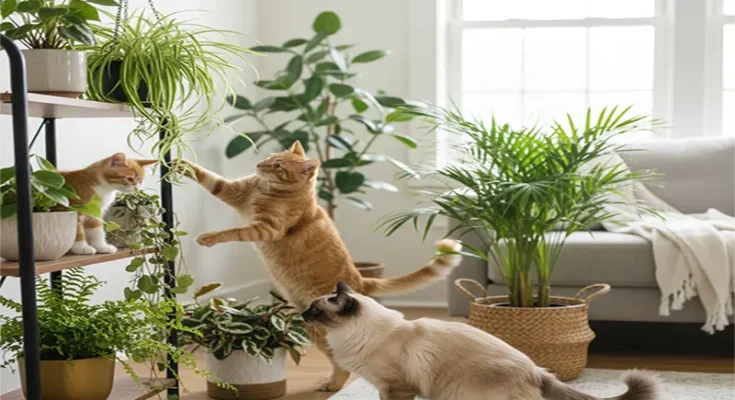
The Biology of the Nibble: Why Cats Chew Plants

Why do cats, obligate carnivores, gravitate towards plants? It’s often a mix of instinct and environment:

  • Dietary Fiber: Even though meat is their primary food, a small amount of roughage can aid digestion and help pass hairballs.
  • Boredom or Stress: Chewing provides mental stimulation and can be a self-soothing behavior.
  • Texture Seeking: Some cats simply enjoy the sensation of tearing and munching on leaves.
  • Instinctual Cleansing: In the wild, eating grass can induce vomiting, helping cats purge indigestible parts of their prey or hairballs.

It is crucial to understand the distinction between “Toxic” and “Irritant.” A truly toxic plant (like lilies) can cause systemic organ failure or even death. An irritant (like a Pothos) typically causes localized irritation in the mouth, leading to drooling, pawing at the mouth, or mild stomach upset. While bothersome, it is rarely life-threatening. Our focus here …

Safe indoor plants for cats that like to chew Read More
Self-cleaning litter box comparison for multi-cat households

Self-cleaning litter box comparison for multi-cat households

The Multi-Cat Challenge: Why Most Boxes Fail

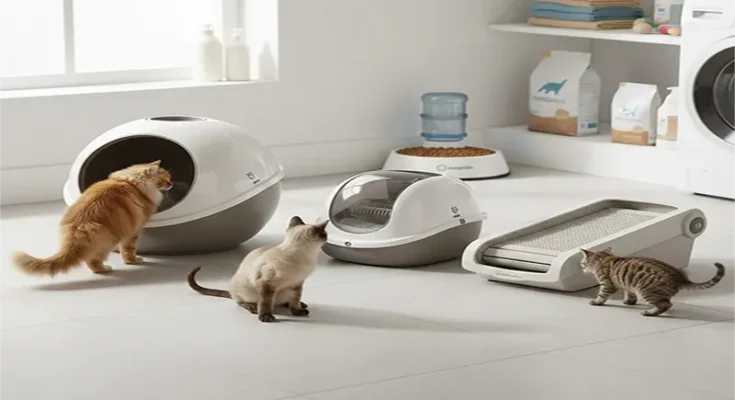
When you have multiple cats, the “scooping fatigue” is real. Statistically, three cats will use a litter box roughly 9 to 15 times a day. For an automated system, this means the motor must cycle dozens of times without jamming, and the waste drawer must be large enough that you aren’t emptying it every 24 hours.

Standard automated boxes often fail in multi-cat environments due to:

  • Small Waste Drawers: If the bin is full by noon, the machine stops cycling, leaving a mess for the next cat.
  • Sensor Deadlock: In busy homes, one cat might jump in while the box is still cycling for another. Cheap infrared sensors can fail, leading to safety risks or mechanical jams.
  • Rapid Odor Buildup: More waste means more ammonia. A multi-cat box requires superior sealing or active neutralization to keep your home from smelling like a kennel.
Self-cleaning litter box comparison for multi-cat households Read More
How to introduce a new kitten to an aggressive resident cat

How to introduce a new kitten to an aggressive resident cat

Preparation and the “Safe Room”

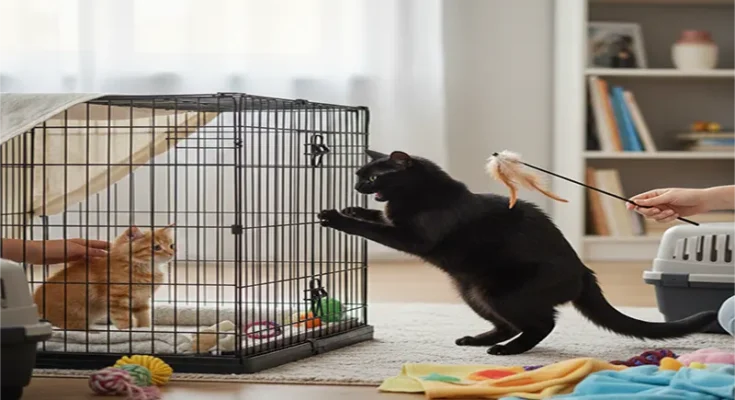
The biggest mistake owners make is the “sink or swim” method—simply placing the kitten on the floor and hoping the cats “work it out.” This often leads to psychological trauma for the kitten and a permanent state of hyper-vigilance for the resident cat.

The process begins with total physical separation. You must prepare a “Safe Room” for the kitten (usually a guest bedroom or bathroom) equipped with its own litter box, food, and water. This room acts as a buffer zone.

The first week is about the Scent Swap. In the feline world, identity is olfactory. Before they ever see each other, they must become “scent-friends.”

  • The Sock Technique: Rub a clean sock on the kitten’s cheeks (where their pheromone glands are) and place it near the resident cat’s food bowl.
  • The Bedding Trade: Swap their blankets. If the resident cat eats comfortably
How to introduce a new kitten to an aggressive resident cat Read More
Best High-Protein Wet Food for Senior Cats with Kidney Issues

Best High-Protein Wet Food for Senior Cats with Kidney Issues

The Senior Kidney Paradox: Protein vs. Phosphorus

For decades, the cornerstone of managing feline Chronic Kidney Disease (CKD) was the restriction of dietary protein. The logic was that protein metabolism creates nitrogenous waste (measured as BUN in bloodwork), which the kidneys must filter. By lowering protein, we lowered the “workload.”

However, we have encountered a paradox. Senior cats are prone to sarcopenia—the age-related loss of skeletal muscle mass. When we put a senior cat on a severely protein-restricted diet, their body begins to catabolize its own muscle to meet its amino acid requirements. This leads to weakness, a compromised immune system, and a diminished quality of life.

Modern veterinary nutrition now focuses on the “Phosphorus vs. Protein” debate. Research indicates that phosphorus is the primary driver of kidney disease progression. High phosphorus levels (hyperphosphatemia) cause further damage to the nephrons. The goal for a senior cat in early-to-mid-stage CKD …

Best High-Protein Wet Food for Senior Cats with Kidney Issues Read More