
Dietary Requirements for Captive-Bred Axolotls

Dietary Requirements for Captive-Bred Axolotls

The Carnivorous Vacuum: Understanding Morphology

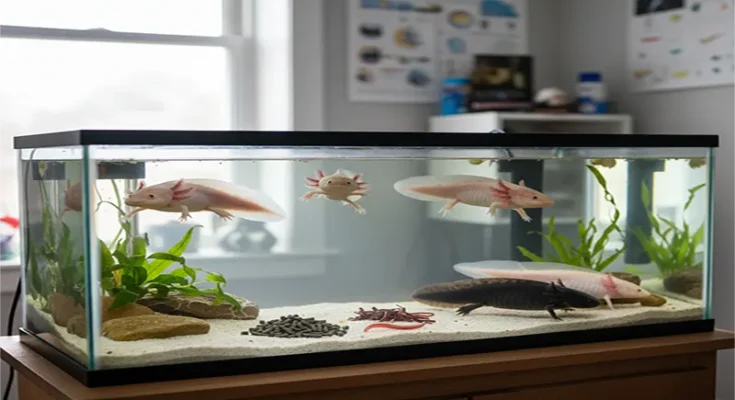
To feed an axolotl correctly, you must first understand how they eat. Axolotls are obligate carnivores, meaning their bodies are biologically designed to process animal protein and very little else. Unlike many other amphibians, axolotls have vestigial teeth—tiny, cone-like structures that are not meant for chewing or tearing meat. Instead, these teeth are used merely to grip prey.

Their primary method of ingestion is known as buccal force feeding, or “suction feeding.” When an axolotl senses movement (primarily through lateral line systems and smell), it snaps its mouth open suddenly. This creates a powerful vacuum that pulls the prey, along with a significant amount of water, into the oral cavity. Because they swallow their food whole, the size and texture of what you provide are critical to preventing choking or internal blockages.

The Gold Standard: Earthworms and Nightcrawlers

If there is a “superfood” …

Dietary Requirements for Captive-Bred Axolotls Read More
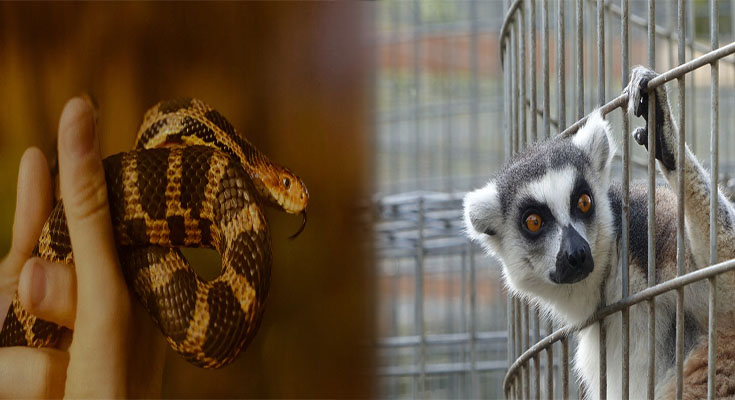
Best Low-Maintenance Exotic Pets for Small Apartments

Best Low-Maintenance Exotic Pets for Small Apartments

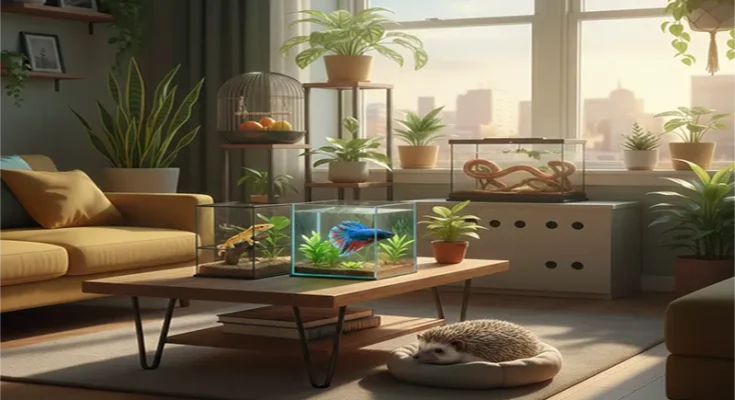
In the heart of bustling cities, where square footage is a luxury and busy schedules are the norm, the desire for a unique companion remains strong. While the idea of a large, playful dog or a curious cat might be appealing, the reality of apartment living often dictates a different path. This is where the charm of exotic, low-maintenance pets shines. These fascinating creatures offer all the joy of pet ownership without demanding extensive space, constant attention, or generating disruptive noise, making them ideal for urban dwellers, young professionals, and anyone living in a smaller apartment. A ‘low-maintenance’ pet in this context generally means one with minimal space requirements, a manageable feeding schedule, and often a quiet disposition, seamlessly integrating into a compact living environment.

Top Pet Recommendations for Apartment Dwellers

Let’s explore some of the best exotic options that thrive in smaller spaces and require less intensive daily care.…

Best Low-Maintenance Exotic Pets for Small Apartments Read More
Training Techniques for Socializing Exotic Pet Animals

Training Techniques for Socializing Exotic Pet Animals

Socializing exotic pet animals is a crucial aspect of their care that can enhance their well-being and strengthen the bond between you as their owner. Using the right training techniques can help you effectively socialize your exotic pet and ensure they feel comfortable and secure in their environment. Here are some valuable training techniques to assist you in socializing your exotic pet animals:

1. Positive Reinforcement:

Utilize positive reinforcement techniques such as treats, praise, and playtime to reward your exotic pet for desired behaviors. This method encourages them to associate good behavior with positive outcomes and reinforces a trusting relationship between you and your pet.

2. Desensitization:

Gradually expose your exotic pet to different stimuli, environments, and experiences to help them become more comfortable and less fearful. Through controlled and gradual exposure, you can desensitize your pet to unfamiliar situations and build their confidence over time.

3. Clicker Training:

Clicker …

Training Techniques for Socializing Exotic Pet Animals Read More
Health Risks Associated with Owning Exotic Pets

Health Risks Associated with Owning Exotic Pets

Owning exotic pets can be an exciting and unique experience for some individuals. From exotic birds and reptiles to small mammals and even big cats, these non-traditional pets can captivate their owners with their beauty and rarity. However, it’s important to be aware of the health risks associated with owning exotic pets. In this article, we will explore some of the potential dangers and health concerns that come with keeping exotic animals as pets.

Zoonotic Diseases

One of the primary health risks associated with owning exotic pets is the potential transmission of zoonotic diseases. These are diseases that can be passed from animals to humans, posing a significant health threat. Exotic pets may carry bacteria, parasites, or viruses that can cause infections such as salmonellosis, rabies, and psittacosis. Proper hygiene practices, including handwashing and regular cleaning of enclosures, are essential to minimize the risk of zoonotic diseases.

Allergies and Respiratory

Health Risks Associated with Owning Exotic Pets Read More
The Fascinating World of Popular Exotic Pets and Their Unique Care Needs

The Fascinating World of Popular Exotic Pets and Their Unique Care Needs

In recent years, the popularity of exotic pets has been on the rise as more and more people seek companionship from non-traditional animal species. From colorful reptiles to playful primates, exotic pets can bring a sense of wonder and excitement to their owners’ lives. However, it’s important to remember that exotic pets have unique care needs that must be carefully considered before bringing them into your home.

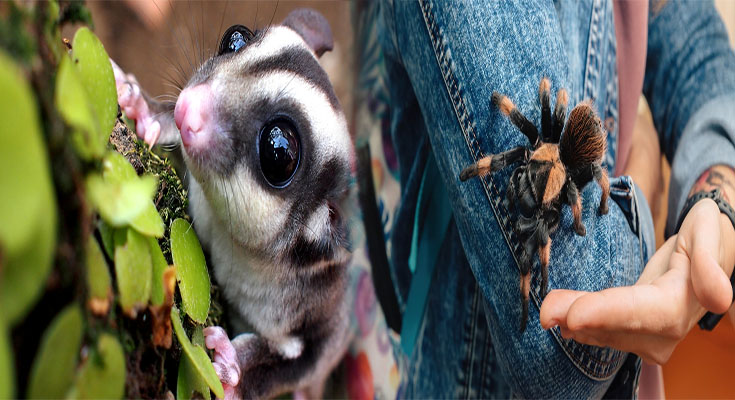
Sugar Gliders

Sugar gliders are small, nocturnal marsupials known for their gliding abilities and sociable nature. These adorable creatures require a specialized diet that consists of a combination of fruits, vegetables, protein sources, and specially formulated pellets. They also need a large cage with plenty of space for climbing and exercise, as well as social interaction with their human companions.

Bearded Dragons

Bearded dragons are popular reptile pets known for their bearded-like appearance and docile temperament. To properly care for a bearded dragon, …

The Fascinating World of Popular Exotic Pets and Their Unique Care Needs Read More