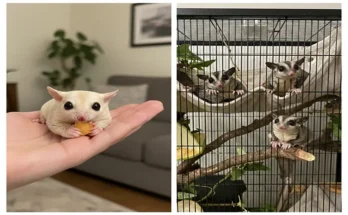

In the heart of bustling cities, where square footage is a luxury and busy schedules are the norm, the desire for a unique companion remains strong. While the idea of a large, playful dog or a curious cat might be appealing, the reality of apartment living often dictates a different path. This is where the charm of exotic, low-maintenance pets shines. These fascinating creatures offer all the joy of pet ownership without demanding extensive space, constant attention, or generating disruptive noise, making them ideal for urban dwellers, young professionals, and anyone living in a smaller apartment. A ‘low-maintenance’ pet in this context generally means one with minimal space requirements, a manageable feeding schedule, and often a quiet disposition, seamlessly integrating into a compact living environment.
Top Pet Recommendations for Apartment Dwellers
Let’s explore some of the best exotic options that thrive in smaller spaces and require less intensive daily care.
The Leopard Gecko
Leopard geckos are perhaps one of the most popular choices for first-time reptile owners and apartment dwellers alike. Known for their striking patterns and docile nature, these nocturnal lizards are a joy to observe. Unlike many other reptiles, leopard geckos do not require specialized UVB lighting, which simplifies their setup. A 10-20 gallon tank is sufficient for a single adult, providing space for a warm hide, a cool hide, and a moist hide, along with a water dish. They primarily eat insects like crickets and mealworms, usually 2-3 times a week, making their feeding schedule quite manageable. Their quiet demeanor and relatively small footprint make them perfect apartment companions.
The Hedgehog
With their endearing snout and charming quills, hedgehogs have captured the hearts of many. These fascinating insectivores are nocturnal, meaning they’ll be most active when you’re likely asleep, making them perfect for quiet apartment living during the day. They require a cage of at least 24×24 inches, outfitted with a solid-surface exercise wheel, a hiding spot, and a food and water bowl. Hedgehogs have a surprisingly low dander output, which can be a plus for individuals with mild allergies. Their diet consists of specialized hedgehog kibble, supplemented with small amounts of insects or cooked meat. While they can be a bit shy initially, regular gentle handling can lead to a surprisingly affectionate pet.
The Corn Snake
For those intrigued by reptiles, the corn snake is an excellent entry-level choice. Known for their beautiful patterns and generally docile temperament, corn snakes are relatively small, typically reaching 3-5 feet in length, which is manageable in a standard apartment. A 20-40 gallon long tank provides ample space for an adult. Their most appealing “low-maintenance” factor is their feeding schedule: adult corn snakes only need to eat once every 7-14 days, consuming pre-killed mice. They are quiet, clean, and provide a captivating display in a well-decorated enclosure with branches for climbing and hides for security.
Hermit Crabs
Often underestimated, hermit crabs are surprisingly social and engaging pets. They are incredibly quiet and require a relatively small footprint, making them ideal for even the tiniest apartments. A 10-20 gallon tank for 2-3 crabs is usually sufficient, provided it has a deep substrate for burrowing, climbing structures, and both fresh and saltwater dishes. They are omnivores, enjoying a varied diet of commercial hermit crab food, fresh fruits, vegetables, and even some protein. Their need for humidity and precise temperature is their most demanding aspect, but once established, their setup is quite stable. Watching them change shells and interact is a quiet delight.
Fancy Rats
Fancy rats are often misunderstood, but they are incredibly intelligent, social, and clean animals that can make fantastic apartment pets. They are highly trainable and form strong bonds with their owners. While they require a larger multi-level cage (like a “Critter Nation” cage for two or more), their small size means even a substantial cage doesn’t take up excessive floor space. Their daily needs involve fresh food, water, and social interaction, but their cage only needs cleaning once or twice a week. They are very quiet and their playful antics can be a constant source of entertainment.
Tarantulas or Isopods
For the ultimate in low-space, low-interaction exotic pets, consider a tarantula or a thriving colony of isopods (also known as “roly-polies”). Tarantulas require minimal space, often content in a small enclosure (5-10 gallons) depending on their species and adult size. They eat infrequently, sometimes only once every 1-2 weeks for adults, and are incredibly quiet. Isopods, while less interactive, create fascinating micro-ecosystems in a small container, essentially caring for themselves with occasional food scraps. Both options provide a unique glimpse into the natural world with virtually no noise or demanding interaction, perfect for the truly hands-off enthusiast.
Care Breakdown Table
| Pet | Lifespan | Enclosure Size (Min.) | Frequency of Feeding |
| Leopard Gecko | 10-20 years | 10-20 gallon | 2-3 times/week |
| Hedgehog | 3-6 years | 24″x24″ footprint | Daily |
| Corn Snake | 15-20 years | 20-40 gallon long | Every 7-14 days |
| Hermit Crabs | 5-15+ years | 10-20 gallon (for 2-3) | Daily |
| Fancy Rats | 2-3 years | Multi-level (e.g., Critter Nation equivalent for 2+) | Daily |
| Tarantula/Isopods | 5-20 years (T) / 1-3 years (I) | 5-10 gallon (T) / Small plastic bin (I) | Every 1-2 weeks (T) / Self-sustaining (I) |
Practical Apartment Tips
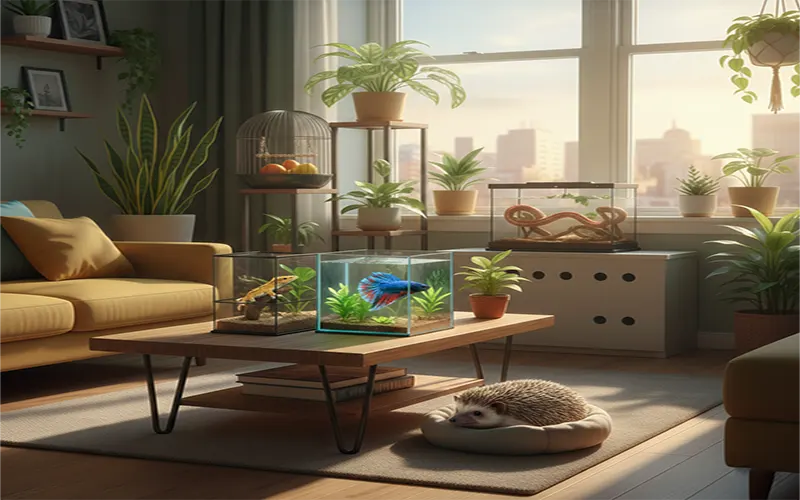
When bringing an exotic pet into a small apartment, a few practical considerations can make all the difference. Firstly, managing odors is crucial. Regular spot cleaning of enclosures and using appropriate substrates (e.g., coco fiber for humidity, paper-based bedding for absorbency) can help significantly. For pets like fancy rats, more frequent cage cleanings are necessary. Secondly, think vertically when choosing enclosures. Many terrariums and cages are designed to be taller rather than wider, allowing you to maximize living space for your pet without sacrificing valuable floor space in your apartment. Consider shelving units to elevate enclosures and add visual interest. Finally, and perhaps most importantly, always check your lease agreement and local ordinances before acquiring any exotic pet. Some landlords have specific restrictions, and many cities or counties require permits for certain animals. A little research beforehand can save a lot of headaches later.
Choosing an exotic pet for a small apartment doesn’t mean compromising on companionship or the joy of observing nature. With careful selection, you can find a unique creature that perfectly suits your lifestyle and living situation. These low-maintenance options offer the wonder of the animal kingdom without the demands of larger, more traditional pets. By providing a well-researched and appropriate habitat, apartment dwellers can enjoy a rewarding connection with these fascinating animals, bringing a touch of the extraordinary into their everyday lives.